A Black History Month Feature | Montréal Roses
EVELYN | A BLACK HISTORY MONTH FEATURE
Published on
February 22, 2026
Share this Post
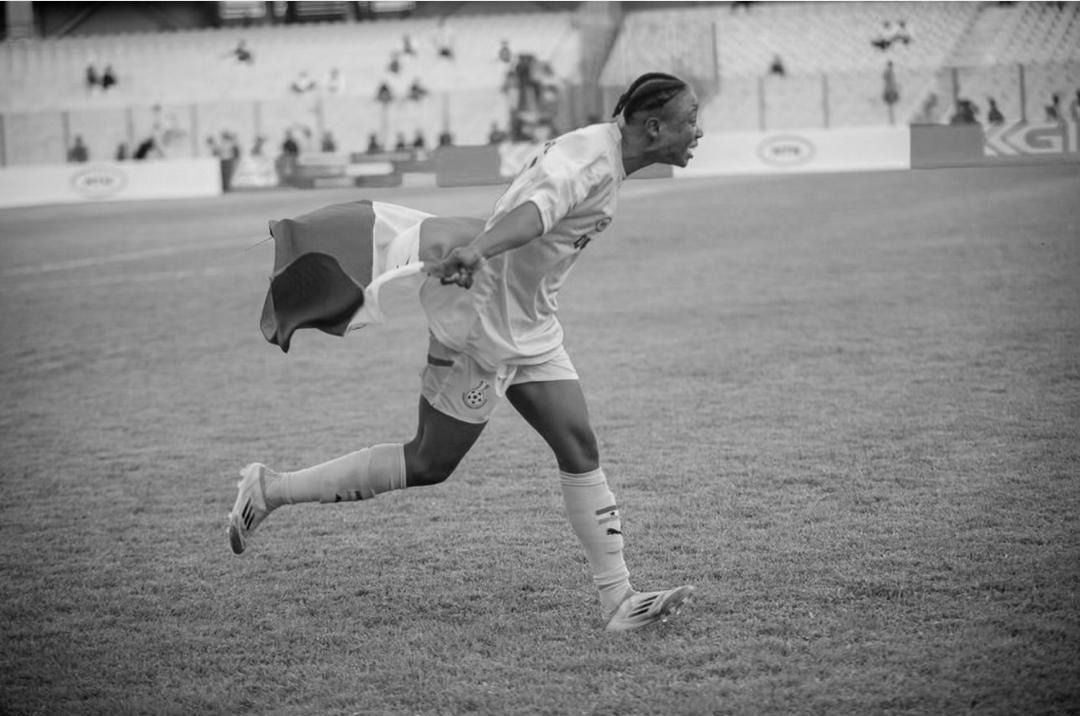
She has won the Golden Boot at a continental championship. She has been named the best young player and the best interclub player in Africa in the same year. The first to ever do it. She has played in Ghana, Norway, and France. She has won bronze with her country.
And when Evelyn Badu talks about where all of it comes from, she doesn’t point to a coach or a system or a single breakthrough moment. She points home.
“Ghana made me. Wherever I go, that’s what people see first.”
Seikwa
Evelyn Badu was born on September 11, 2002, in Seikwa, a small town of about nine thousand people in Ghana’s Bono region. It’s not a place that produces many professional footballers. It’s not a place that produces much visibility at all. But it produced her.
“Where I grew up, you learn strength by living it. Not by reading about it, not by being told. You just live it. You learn to believe in yourself because nobody’s going to hand you permission. You learn discipline because there’s no reward for showing off.”
The structure came later. The talent was already there. She moved through youth football in Ghana, catching the attention of Hasaacas Ladies, one of the top clubs in the country. By her late teen years, she was a key player. By 19, she was about to become a continental star.
Egypt
In November 2021, the Confederation of African Football held its first-ever Women’s Champion League. The tournament took place in Egypt. Six clubs from across the continent, competing over two weeks to crown the best.
Hasaacas Ladies were Ghana’s representatives. They had talent, but were not favourites. The South African clubs had more resources, more infrastructure, more professional experience. But Hasaacas had heart. And they had Evelyn Badu.
She was 19 years old at the time. She played like she had nothing to lose.
In the group stage opener, she scored twice against Malabo Kings of Equatorial Guinea. She was named Women of the Match. In the second group match, she scored twice more against AS Mande of Mali. Woman of the Match again. By the end of the group stage, she had four goals and was named the best player of the opening round.
In the semifinal against ASFAR of Morocco, she scored the winning goal in the 77th minute, a header from close range after a cross from the right. Her fifth goal of the tournament, leading Hasaacas to the final.
They faced Mamelodi Sundowns of South Africa in the championship match. Hasaacas lost 2-0.
But the numbers spoke for themselves. Five goals. The Golden Boot. Player of the Group Stage. Player of the Tournament. A teenager from Seikwa had taken the biggest stage in African club football and made it hers.
The Double
Three months later, African football gathered in Rabat, Morocco, for the annual CAF Awards. Evelyn Badu was nominated for Young Player of the Year and Interclub Player of the Year.
She won both.
No player, male or female, had ever swept both awards in the same year. The girl from Seikwa, still just 19, had made history.
The awards confirmed what the Champions League had revealed. Ghana had produced someone special. A forward with pace and trickery, a nose for goal, and the composure to deliver when it mattered most. Someone who could carry a team.
“When I play for Ghana, I know it’s not just me out there,” she says now. “There are girls back home watching. Girls who look like me, who come from places like mine. If they see me do it, maybe they believe they can too.”
The Injury
2022 was supposed to be her year.
She had signed with Avaldsnes IL in Norway, her first European club, her first time living outside Ghana. The move came on a two-and-a-half year deal, a validation of everything she’s built. John Arne Riise, the former Liverpool defender, was her new coach. He believed in her talent but cautioned that the adjustment would take time.
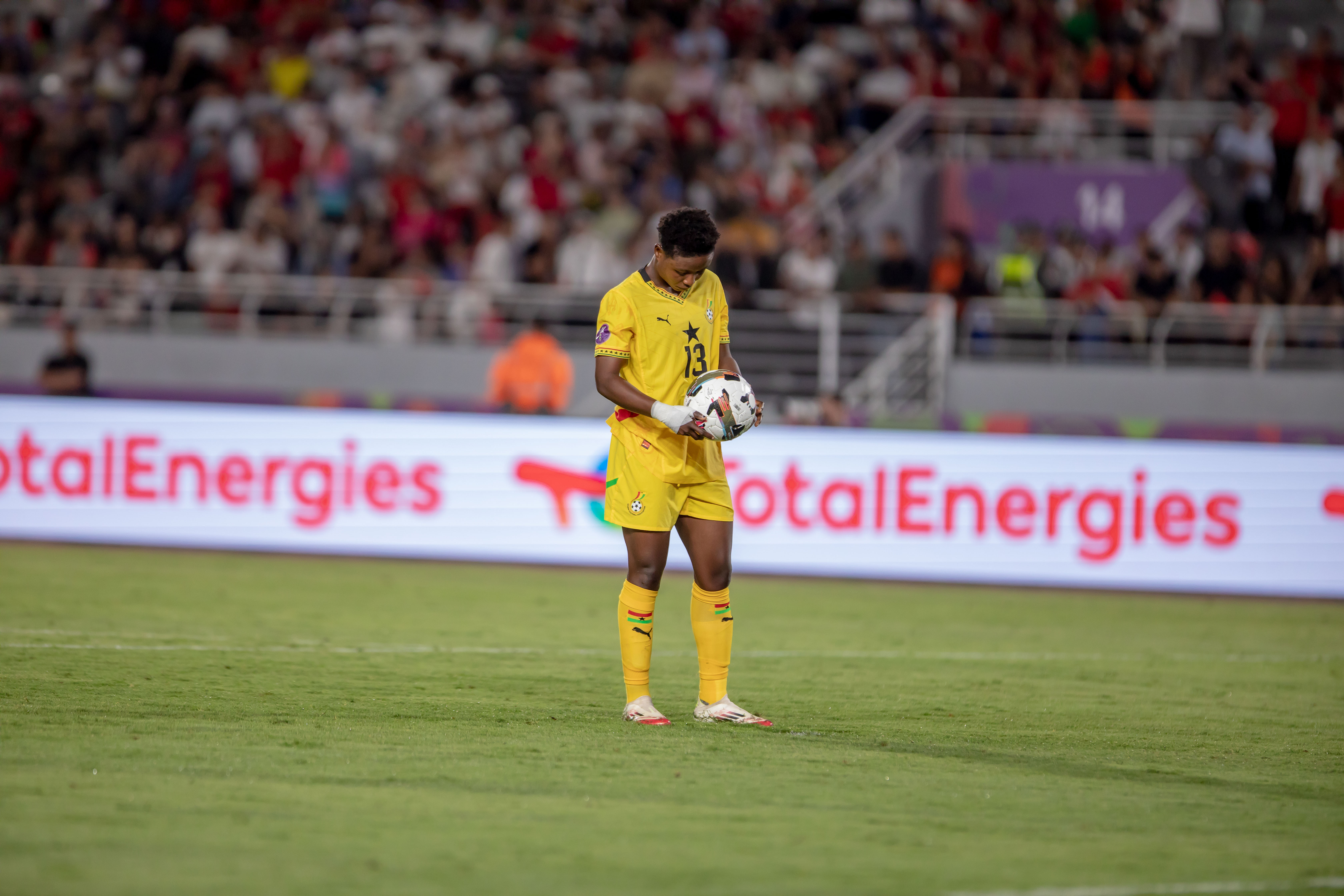
“It’s important to give her time for everything new she wants to experience here in Norway,” Riise said when she signed. “Not just a new country and new culture, but not least another football culture.”
She was adapting. She was learning. And she was still the captain of Ghana’s U-20 team, the Black Princesses, preparing for the FIFA U-20 Women’s World Cup in Costa Rica that August.
Then, during training in Costa Rica just before the tournament, she injured her ankle.
She was ruled out entirely. Forced to watch from afar as her teammates competed without her.
It was the kind of blow that could break a young player. She had been the captain. The one everyone expected to carry Ghana on the world stage. And she couldn’t even be there.
But she came back. She always comes back.
The Road
The next few years took her across Europe.
She was still competing with Avaldsnes IL in Norway. Learning a new style of football, a new culture, a new climate. A country where she was suddenly a minority. A long way from Seikwa.
Then FC Fleury 91 in France, in the top division. Another language, another league, another adjustment.
Then back in Norway with Molde FK on a one-year contract.
Through it all, she kept returning to the national team. The Black Queens. The senior squad.
In the summer of 2025, Ghana traveled to Morocco for the Africa Women Cup of Nations. The Black Queens hadn’t won a medal at the tournament since 2016. They were not among the favourites.
In the group stage, Badu came off the bench against Tanzania and scored in the 87th minute to help seal the victory. In the quarterfinals against Algeria, after 120 minutes of scoreless football, she stepped up and converted the winning penalty to send Ghana through.
In the semifinals against host nation Morocco, Ghana lost on penalties. But there was still the bronze medal match. Ghana versus South Africa, a rematch of the 2016 third-place game. The match went to penalties, a 4-3 win for Ghana.
It was the country’s first WAFCON medal in nine years.
Carrying It
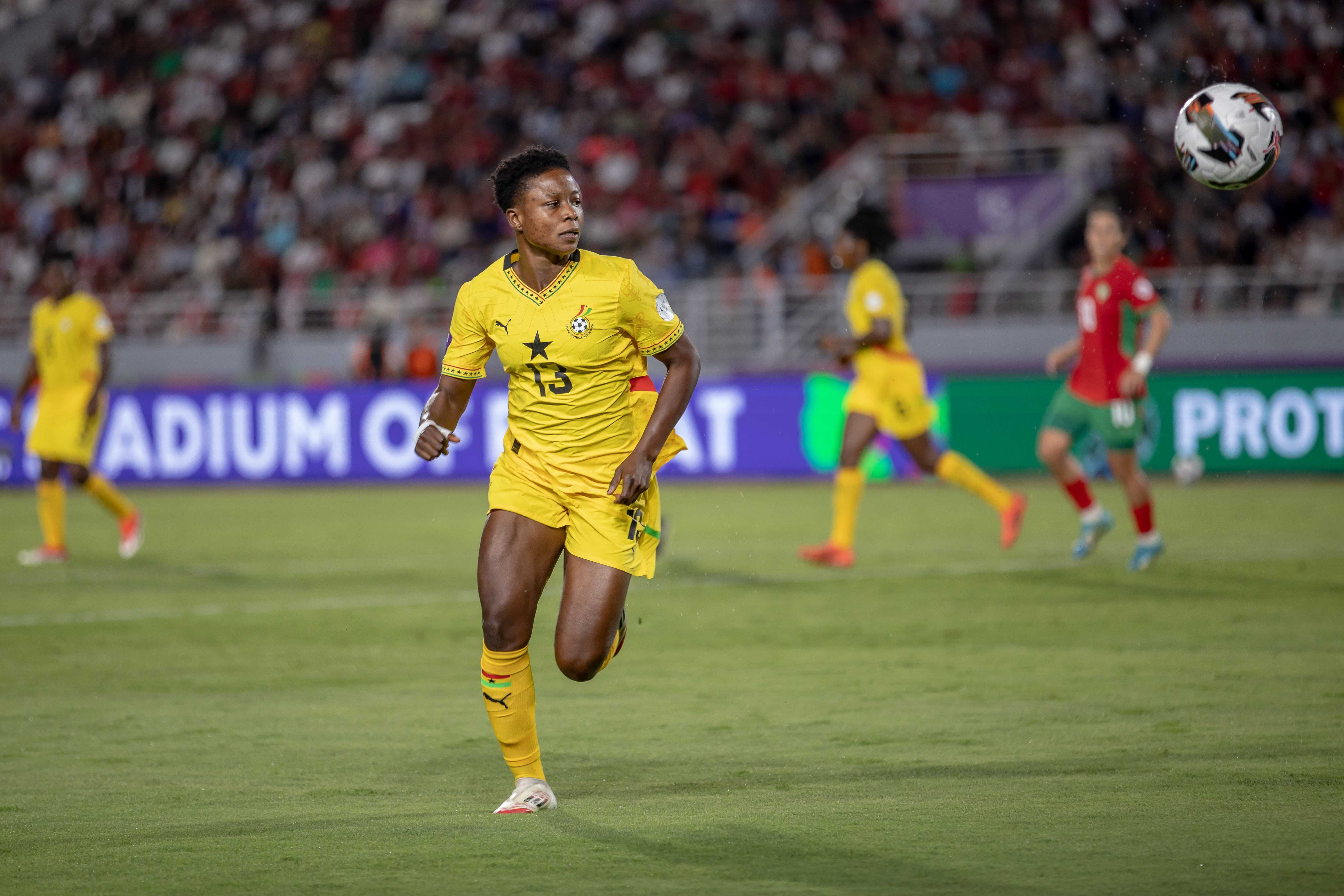
She has lived in three countries now. Played under coaches from Ghana, Norway, France. Learned to navigate cultures where she is the majority and cultures where she is not. But she doesn’t talk about herself as someone who has changed.
She talks about herself as someone who was already formed.
“The African spirit is in me. It’s not something I had to find. It was always there. It’s how I was raised.”
She thinks about what African football means. The talent has always been there. The infrastructure, the investment, the visibility are still catching up. But players like Badu carry something with them when they step onto the pitch.
“When I represent Ghana, when I represent Africa, there’s weight to that. But it’s good weight. It’s an honour.”
She thinks about the girls back home. The ones in small towns, on dirt pitches, dreaming of something bigger.
“I want them to see it. I want them to know you can come from a small place and still make it to the biggest stages. You don’t have to wait for someone to believe in you. You can believe in yourself first.”
At 23, she has already played on three continents. She has won individual awards that no one had ever won together. She has felt the heartbreak of missing a World Cup and the joy of draping a bronze medal around her neck.
Through all of it, one thing has stayed constant.
"Ghana made me," she says. "That's who I am. That's what people see when they watch me play."
The road from Seikwa has taken her to Egypt and Norway and France and now to Canada. But the player who announced herself to the world at 19 is still the one who shows up.
She carries Ghana with her. She always will.
—
About This Series
This feature is part of the Montréal Roses’ Black History Month series, celebrating the Black players who make our club what it is. Throughout February, we will publish in-depth profiles of our athletes to honour the full breadth of who they are : their journeys, their values, their personalities, and their perspectives. These are stories of excellence, resilience, and community. We are proud to share them.